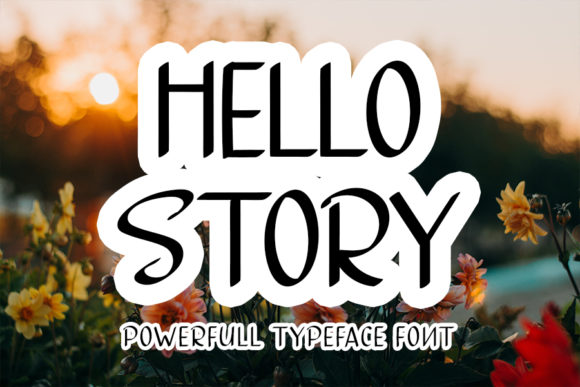
Hello Story: A Handwritten Font for Editorial Design
When I sat down to redesign the header graphics for my lifestyle blog, I knew I needed a typeface that felt personal yet polished. Hello Story, a flowing and casual Script Handwritten font, immediately caught my eye among the sea of rigid digital Fonts. It wasn’t just about aesthetics; it was about creating a connection with readers who crave authenticity in their daily scroll. This font offers a rhythm that mimics natural handwriting, bringing warmth to digital spaces that often feel cold and corporate.
Creating Gorgeous Wedding Invitations with Hello Story
The versatility of Hello Story shines brightest when applied to sentimental projects like wedding stationery. As a designer, I have found that couples are increasingly moving away from stiff, traditional typography in favor of something that reflects their unique love story. Hello Story is a flowing and casual handwritten font that captures the intimacy of a handwritten note while maintaining the legibility required for formal details. When I used it for a sample wedding suite, the way the letters connected created a visual narrative of unity and grace.
Fall in love with its incredibly versatile style and use it to create gorgeous wedding invitations that stand out in a crowded mailbox. The font’s organic curves soften the overall design, making it perfect for pairing with delicate floral illustrations or minimalist geometric borders. Whether you are designing save-the-dates, menu cards, or place settings, this typeface adds a layer of sophistication without feeling overly ornate. It bridges the gap between modern minimalism and classic romance, ensuring that the invitation sets the perfect tone for the celebration ahead.
Designing Beautiful Stationary Art for Brand Identity
Beyond weddings, Hello Story is an exceptional tool for building beautiful stationary art that defines a brand’s visual identity. For independent creators and small business owners, consistency across touchpoints is crucial. I recently tested this font on a set of printable thank-you notes for an online boutique, and the result was striking. The casual nature of the script made the brand feel approachable and human, fostering a deeper emotional connection with customers.
Use it to create beautiful stationary art that elevates everyday correspondence into a memorable brand experience. From letterheads to business cards, the font’s fluid strokes add a touch of elegance that static sans-serif fonts often lack. It works particularly well for lifestyle brands, coaching services, and creative studios that want to project an image of warmth and professionalism. By incorporating Hello Story into your stationary design, you transform simple paper goods into tangible extensions of your brand’s personality, encouraging recipients to keep and cherish them.
Crafting Eye-Catching Social Media Graphics
In the fast-paced world of digital marketing, stopping the scroll is half the battle. Hello Story excels at creating eye-catching social media graphics that demand attention without shouting. I integrated this font into a series of Instagram quote cards for a wellness coach, and the engagement metrics told a clear story: people resonated with the human touch. The font’s casual demeanor makes text-heavy images feel less like advertisements and more like personal recommendations from a friend.
Fall in love with its incredibly versatile style and use it to create eye-catching social content that aligns with current design trends. Whether you are designing Pinterest pins, YouTube thumbnails, or Facebook cover photos, the readability of Hello Story ensures your message is clear even at smaller sizes. Its dynamic flow guides the viewer’s eye across the graphic, enhancing the overall composition. For content creators looking to differentiate their feed, this Script Handwritten option provides a distinct visual signature that helps build recognition and loyalty among followers.
Pairing Hello Story with Complementary Typefaces
To maximize the impact of Hello Story, thoughtful font pairing is essential. Since this is a display-style script, it performs best when balanced with structured, neutral typefaces. In my editorial layout tests, I paired it with a clean sans serif font for body copy and captions. This contrast creates a clear visual hierarchy, allowing Hello Story to shine as the headline hero while ensuring the main text remains easy to read on screens and in print.
When working with Fonts for long-form content like ebooks or newsletters, avoid using the script for large blocks of text. Instead, reserve it for chapter titles, pull quotes, and section headers. This strategic usage prevents visual fatigue and maintains the reader’s focus. For a more traditional look, try pairing it with a classic serif font. The juxtaposition of the casual script against the formal serif creates a sophisticated tension that works well for magazine features and high-end product packaging. Always test your combinations on multiple devices to ensure the contrast holds up in various lighting conditions and screen resolutions.
Technical Considerations for Digital and Print Use
Before committing to Hello Story for a major project, it is important to review the technical specifications included in the font package. Check for supported file formats such as OTF and TTF, which ensure compatibility with major design software like Adobe Illustrator, Photoshop, and Canva. If you are creating multilingual content, verify the character set to ensure it supports the necessary accents and special characters for your target audience.
Additionally, understand the licensing terms associated with these Fonts. While many personal projects allow for free or low-cost use, commercial applications such as client work, paid newsletters, or products for sale often require a commercial license. Investing in the proper license protects your work and supports the type designer. Pay attention to any included alternates or ligatures, which can add extra flair to your designs by varying the connections between letters. These small details can make a significant difference in customizing the look of Hello Story to fit your specific brand voice, ensuring that no two headlines look exactly alike.